
How to Create a Flexible Wellness Room for Fitness and Relaxation at Home
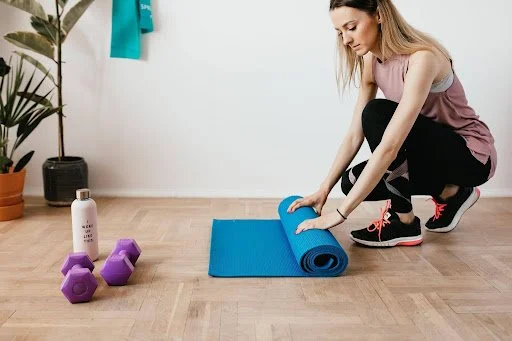
Image via Pexels
Busy parents juggling work and wellness, remote professionals craving clearer boundaries, and homeowners seeking flexible wellness rooms often hit the same wall: home remodeling for wellness can spiral into cost, decision fatigue, and a room that feels too specialized to use every day. The challenge in home renovation isn’t motivation, it’s creating a space that supports exercise, recovery, and calm without becoming cluttered or visually loud. A well-planned multipurpose wellness space makes it easier to return to routines because it serves real life instead of competing with it. The payoff is a room that consistently supports physical and mental well-being.
Understanding a Multipurpose Wellness Space
A multipurpose wellness space is one area in your home that supports more than one kind of care. Instead of choosing between a mini gym or a calm retreat, you design a room that can hold fitness, recovery, and relaxation together.
This matters because your habits rarely happen in perfect blocks of time. When the room is set up for both effort and downtime, it becomes easier to reset your mood, lower daily stress, and stay consistent without leaving the house.
Picture a spare room where you do a 20-minute strength circuit, then roll out tight hips, then sit for five quiet minutes. A flexible wellness room makes those transitions feel natural, not like a full setup and teardown. That flexibility also affects budgets when surprise repairs hit mid-remodel.
Protect Your Remodel Budget From Surprise Breakdowns
Once you’ve defined what your wellness room needs to do, it’s worth protecting the behind-the-scenes systems that keep it comfortable and usable. A multipurpose wellness space often gets used more consistently than a spare room, and that can make core home systems work harder over time. Frequent workouts may mean more heating or cooling adjustments for comfort, while recovery and relaxation routines can keep fans, lights, and other electrical needs in regular rotation. Even with normal use, not misuse, this added demand can contribute to everyday wear and tear on heating, cooling, and electrical systems.
That’s where a home warranty service agreement can help protect your remodel budget. If an essential system breaks down during (or after) your project, warranty-style coverage may help with repair or replacement costs, reducing the chance that a surprise failure forces you to divert money away from the space you’re building. If you want to explore what that kind of protection can look like, you can get more information here about home warranty coverage.
Set Up a Wellness Room That Switches Modes Fast
With the “what if something breaks” worries handled, you can plan a room that moves smoothly from workout to wind-down. This process helps you choose a layout, lighting, storage, and materials that feel good to use every day, even in a small or shared space.
Tape out your zones and walking path
Start by using painter’s tape to outline where each activity will live. Map three zones with tape as a simple blueprint: Movement, Recovery, and Calm. Put the Movement zone closest to the door so it is easy to start without shifting furniture. Protect flow by planning a clear 30–36 inch path to reduce clutter and prevent that boxed-in feeling.Choose a flexible layout anchored by one “parked” piece
Pick one item that always stays put, such as a yoga mat corner, a small bench, or a comfy chair, then arrange everything else to fold, roll, or stack around it. Keep the center of the Movement zone mostly open and push larger items to the perimeter so you can switch modes in under two minutes. If the room is tight, choose slim, vertical pieces like a wall mirror and a narrow shelf.Set lighting for two moods with simple controls
Create an “energize” setting for exercise and a “decompress” setting for recovery, using the same fixtures if possible. Use brighter, cooler light for movement and softer, warmer light near your Calm zone, then make it easy to change with a dimmer bulb, smart plug, or two-lamp setup. Aim lights away from your eyes when you are stretching or lying down.Build a storage system that hides gear in one sweep
Assign every category a home: a lidded bin for bands and small tools, a vertical rack for mats and foam rollers, and a shallow tray for daily essentials like a towel and water bottle. Store workout items closest to the Movement zone and relaxation items closest to the chair or cushion so you are not crisscrossing the room. The goal is a reset you can do in 60 seconds so the space stays inviting.Pick materials that are safe, comfortable, and easy to clean
Choose surfaces that handle sweat and frequent use, such as washable paint, wipeable flooring, and textiles that can go in the laundry. Add slip resistance with a large exercise mat or rug pad, and prioritize rounded edges and stable furniture to prevent bumps during transitions. If you are unsure, test a small sample for comfort under bare feet and how easily it cleans.
Wellness Room Questions, Answered
Q: How do I keep one room from feeling like a gym all day?
A: Use “swappable” cues: a folded screen, a basket that hides equipment, and lighting you can shift in seconds. Keep one calming anchor, like a chair or floor cushion, visible even during workouts so the space still reads as restorative. A quick reset rule helps: nothing stays on the floor except the item you are using.
Q: What if I only have a small corner or a narrow room?
A: Prioritize one clear spot where you can fully extend your arms and lie down, even if everything else is compact. Choose vertical storage and folding pieces so the floor stays open for movement. If space is tight, pick tools that do double duty, like adjustable dumbbells or a mat that works for stretching and strength.
Q: How can I make cleaning and upkeep simple?
A: Aim for wipeable surfaces and a “one-bin sweep” where small items land in a lidded container at the end of the day. Keep a microfiber cloth and gentle spray in the room so you can do a 30 second wipe after sweaty sessions. Washable textiles and closed storage reduce dust and odors.
Q: Should I spend money on this, or start with what I have?
A: Start with layout and comfort first, then upgrade only what causes friction. Knowing that Americans spent $603 billion remodeling in 2024 can normalize that small, staged improvements are common. Pick one “quality” purchase that improves daily use, like better lighting or flooring underfoot.
Q: Can a wellness room support stress relief, not just fitness?
A: Yes, if you deliberately include recovery features like soft lighting, supportive seating, and a spot for breathing or gentle stretching. Evidence on touch-based approaches includes benefits like regulating cortisol levels, so adding a foam roller, massage ball, or cozy blanket can be more than a nice extra. Keep these items within reach so you actually use them.
Keep Your Home Wellness Room Useful as Life Changes
A wellness room has to handle real life, limited space, shifting routines, and the pull between workout energy and true downtime. The key takeaways on wellness remodeling point to a simple mindset: design for change, keep choices intentional, and let the room evolve instead of locking it into one purpose. When that approach guides thoughtful home design, it becomes easier to maximize wellness room potential and protect long-term physical well-being benefits without adding daily friction. Build a room that adapts, and your habits will last longer.